Overview of U.S. Nuclear Capabilities
The United States maintains a powerful nuclear arsenal to ensure national security and global stability. Explore key topics below to learn more about America's nuclear power.
1. How Many Nuclear Weapons Does the U.S. Have?
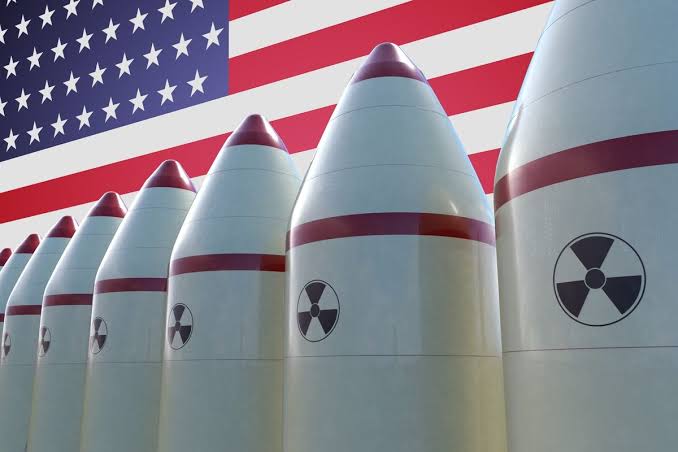
The United States has an estimated 5,200 nuclear warheads, including deployed and reserve weapons. This makes it one of the leading nuclear powers in the world.
Learn more2. How Does the U.S. Retaliate?
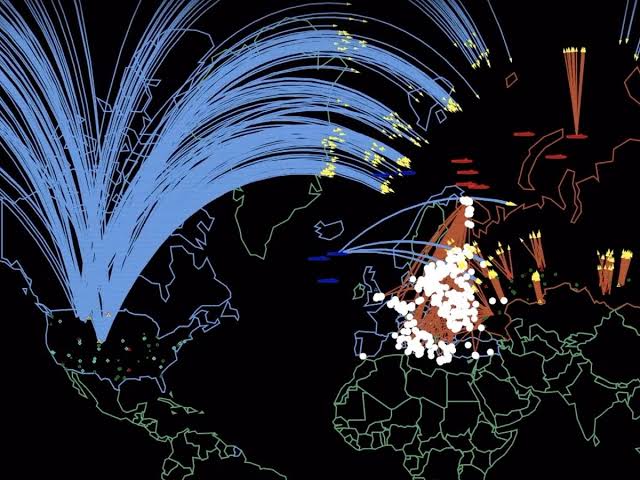
The U.S. uses a "nuclear triad" of intercontinental ballistic missiles (ICBMs), submarine-launched ballistic missiles (SLBMs), and air-dropped bombs to ensure effective retaliation against threats.
Learn more3. Where Are the U.S. Nuclear Weapons Stored?
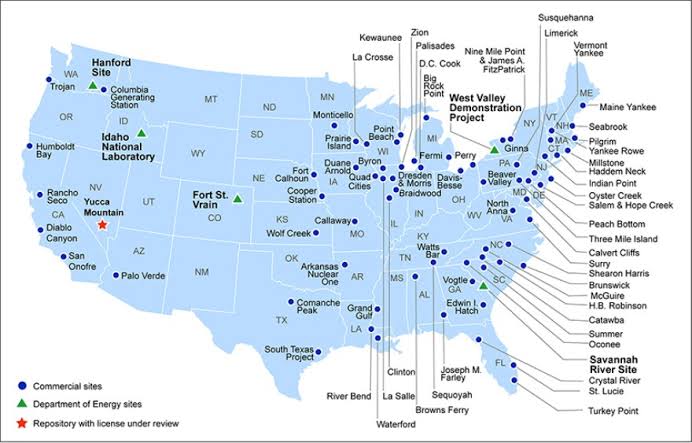
American nuclear weapons are stored in secure facilities such as missile silos, airbases, and submarines. Key storage locations include Montana, North Dakota, and Wyoming.
Learn more4. How Many Ways Can the U.S. Launch Nuclear Weapons?
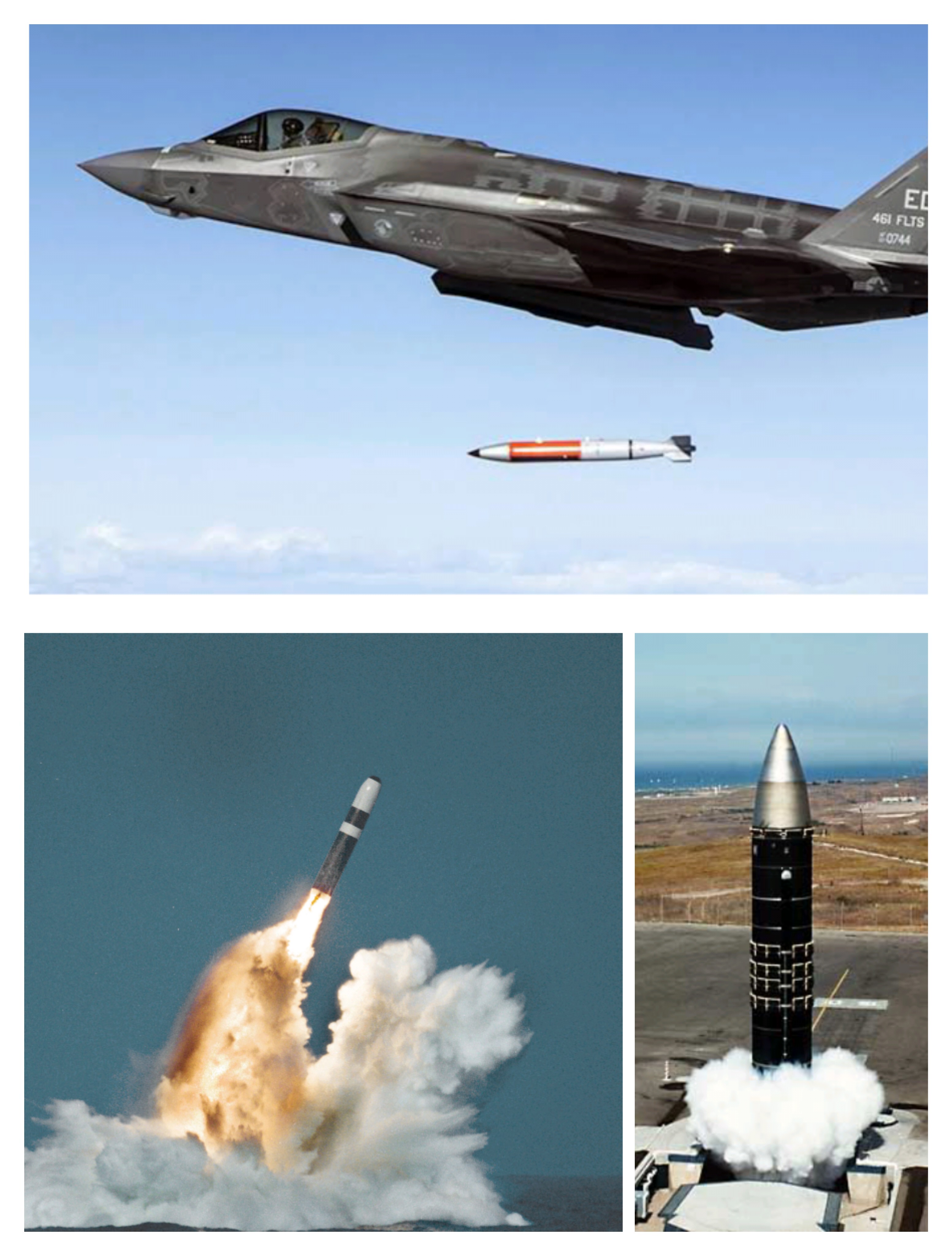
The U.S. employs ICBMs, SLBMs, and strategic bombers for launching nuclear weapons. This flexibility ensures readiness in any scenario.
Learn more5. Where Can the Top ICBMs Be Seen?
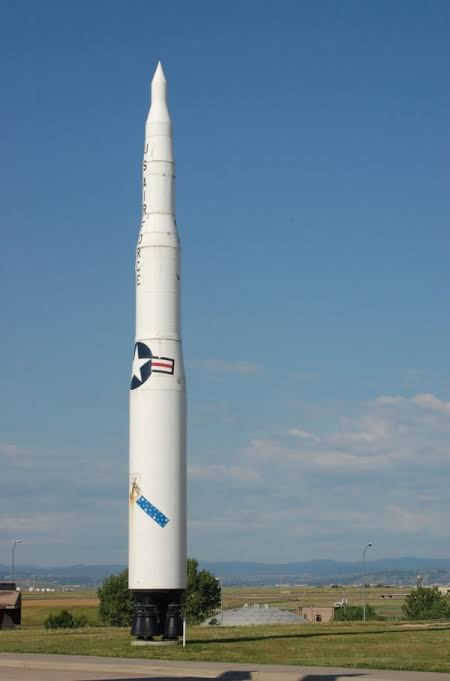
The Minuteman III ICBMs are deployed at bases in North Dakota, Montana, and Wyoming. Decommissioned models can be viewed in museums like the National Museum of Nuclear Science & History.
Learn more6. History of U.S. Nuclear Testing
From 1945 to 1992, the U.S. conducted over 1,000 nuclear tests to advance its understanding of nuclear weapons. The Nevada Test Site was a key location for these tests.
Learn more7. The Role of Nuclear Deterrence
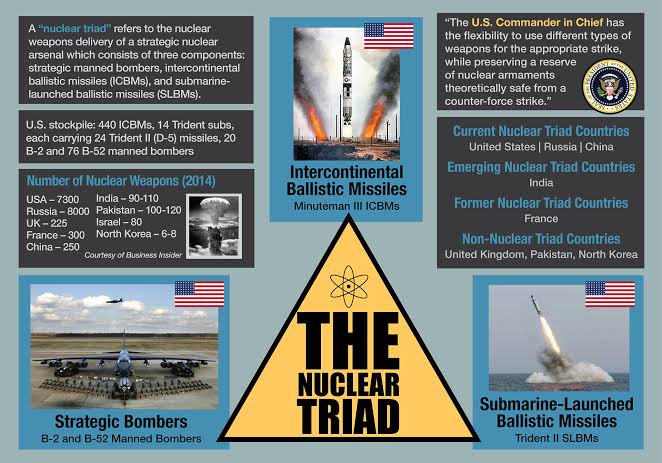
Deterrence is the cornerstone of U.S. nuclear policy, aimed at preventing conflicts through the promise of devastating retaliation against any aggressor.
Learn more8. U.S. and Nuclear Treaties
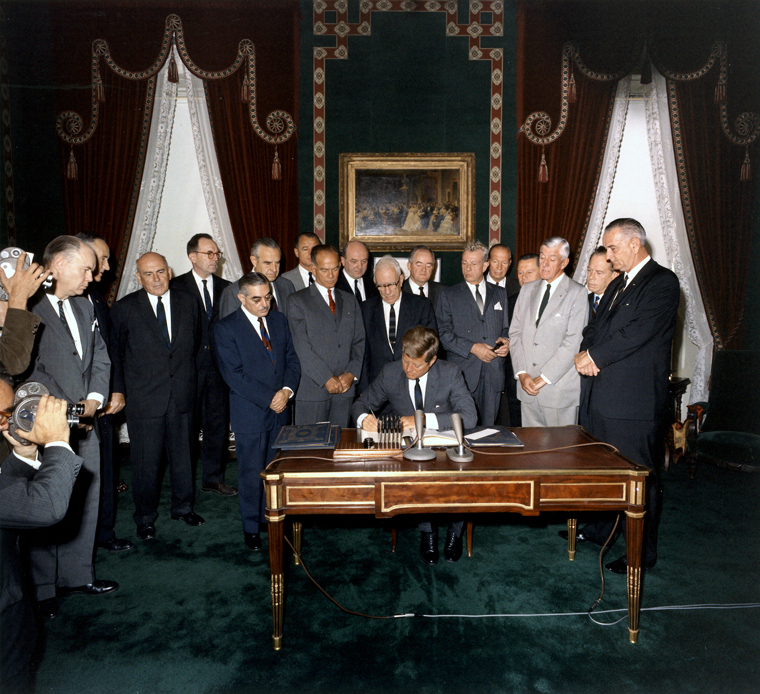
The U.S. is a signatory of key nuclear treaties, including the Nuclear Non-Proliferation Treaty (NPT) and the New START Treaty, aimed at reducing global nuclear threats.
Learn more9. Nuclear-Powered Submarines
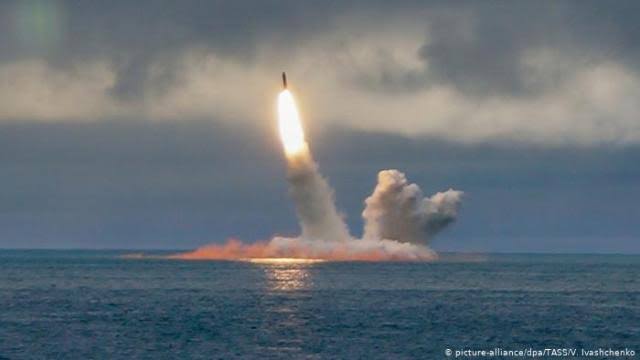
The U.S. Navy's Ohio-class submarines are the backbone of the sea-based leg of the nuclear triad. These stealthy vessels can carry up to 20 nuclear missiles each.
Learn more10. U.S. Missile Defense Systems
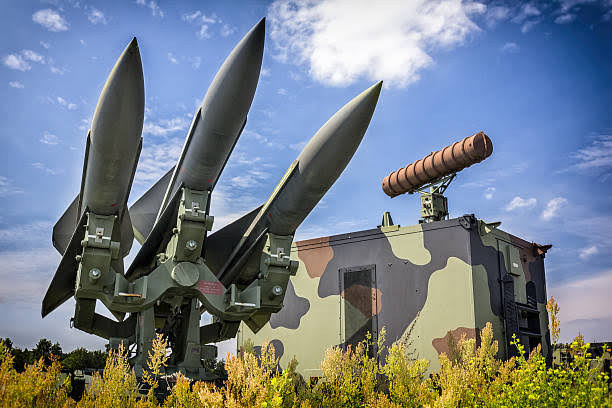
The U.S. operates advanced missile defense systems like the Ground-Based Midcourse Defense (GMD) to intercept incoming threats and protect the homeland.
Learn more